
When Creating Quality Content Feels Harder Than Getting It Noticed
If you’ve ever written an article, created educational material, or published original content online, you already know the challenging part isn’t just creating it—it’s making sure the right people actually find it. Many publishers invest hours into thoughtful work, only to see it buried under endless feeds, summaries, and recycled content.
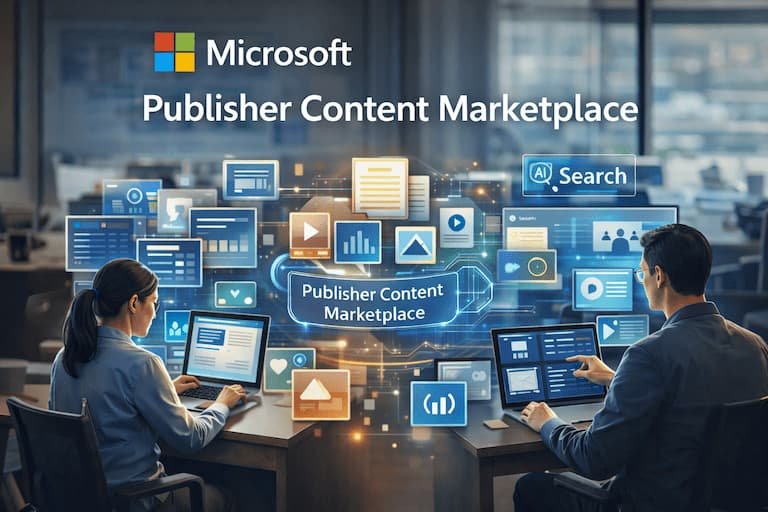
This growing disconnect between content creators and content discovery is exactly the problem Microsoft is trying to address with a new initiative known as the Publisher Content Marketplace. Instead of letting quality content disappear in the noise, Microsoft is building a structured way for publishers to reach users—while staying visible, credited, and fairly represented.
Let’s explore what this marketplace is, why it exists, and what it could mean for the future of digital publishing.
The Bigger Picture: Why Content Distribution Needs a Reset
Over the last decade, the internet has changed how information flows. Search engines, social media platforms, and now AI tools summarize and surface content at scale. While this helps users access information faster, it creates a challenge for original publishers.
Some common problems publishers face today include:
- Losing traffic to summaries instead of full articles
- Limited control over how their content is reused
- Difficulty monetizing high-quality work
- Lack of transparency in AI-driven content consumption
Microsoft’s Publisher Content Marketplace is a response to these challenges, aiming to rebalance the relationship between platforms, AI systems, and publishers.
What Is the Microsoft Publisher Content Marketplace?
In simple terms, the Publisher Content Marketplace is a structured platform where publishers can offer their content directly to Microsoft’s ecosystem. This content can then be used across Microsoft products—such as search, AI assistants, and other digital experiences—under clear rules.
The idea is not to scrape or reuse content without permission, but to:
- Give publishers visibility
- Maintain attribution
- Enable controlled content usage
- Create a more sustainable publishing environment
This approach reflects a growing awareness that original content needs protection and recognition in the age of AI.
How the Marketplace Works (Beginner-Friendly View)
Think of the marketplace like a bridge.
On one side:
- News organizations
- Educational publishers
- Independent content creators
- Research platforms
On the other side:
- Microsoft’s search tools
- AI-powered assistants
- Information services used by millions
The marketplace connects these two sides by allowing publishers to:
- Submit or license content
- Define how it can be used
- Ensure proper credit is given
- Maintain control over the presentation.
Microsoft, in turn, gains access to trusted, high-quality content that improves user experience.
Why Microsoft Is Building This Now
This initiative didn’t appear overnight. It aligns with broader changes in how AI and content coexist.
Several factors are driving this move:
- Growing concern over AI using content without clear consent
- Increased pressure for ethical AI development
- Demand from publishers for fairer content partnerships
- Need for reliable, authoritative information sources
Microsoft has publicly emphasized responsible AI and transparency, and this marketplace fits into that long-term strategy.
How This Helps Publishers in Practical Terms
For publishers, the benefits go beyond exposure.
1. Visibility Without Losing Identity
Instead of content being reduced to anonymous summaries, publishers remain visible as the original source.
2. Better Control
Publishers can influence how their content appears and where it’s used.
3. Trust and Credibility
Being part of a curated marketplace signals quality and authority.
4. Potential Monetization Paths
While details may evolve, structured marketplaces open doors for sustainable revenue models rather than ad-driven dependency alone.
What It Means for Readers and Learners
This marketplace is not just about publishers—it also affects everyday users.
For readers, it can lead to:
- More accurate information
- Clear source attribution
- Reduced misinformation
- Better educational content discovery
When content comes directly from trusted publishers, users benefit from depth and context rather than surface-level answers.
The Role of AI in the Publisher Content Marketplace
AI plays a supporting role here, not a dominating one.
Microsoft’s AI systems can:
- Identify relevant publisher content
- Present it contextually to users
- Summarize responsibly while linking back to sources
- Respect usage boundaries defined by publishers
This reflects a shift away from AI as a content replacement toward AI as a content connector.
Why This Matters for Education and Research
Educational and research content often suffers the most when attribution is lost. The marketplace model offers a path where:
- Academic publishers retain recognition
- Educational material reaches wider audiences
- Students access trustworthy sources
- Learning tools remain aligned with original authors
For educators and learners, this could mean higher-quality digital learning environments.
A Sign of an Emerging Trend in Technology
Microsoft’s Publisher Content Marketplace reflects a broader trend across the tech industry:
collaboration over extraction.
Instead of taking content and repackaging it freely, platforms are beginning to:
- Partner with creators
- Share value
- Build long-term ecosystems
This trend may influence how other technology companies approach content in the future.
Practical Insights for Publishers Considering Participation
If you’re a publisher or content creator, a few thoughtful considerations matter:
- Focus on quality and originality
- Maintain clear content ownership
- Understand how licensing works
- Think long-term rather than quick traffic spikes
Structured marketplaces reward consistency and trust more than volume.
What Beginners Should Understand First
If you’re new to digital publishing or AI-driven platforms, the key takeaway is simple:
- Content value is shifting from quantity to credibility
- Platforms are beginning to recognize creator rights
- Transparency is becoming a competitive advantage
The Publisher Content Marketplace is one example of this shift.
Looking Ahead: A More Balanced Content Ecosystem
The internet doesn’t need more content—it needs better connections between creators and users. Microsoft’s Publisher Content Marketplace represents an attempt to rebuild those connections thoughtfully.
By giving publishers more control and users more trustworthy information, this initiative points toward a healthier digital future—one where technology supports content creators instead of quietly replacing them.
For anyone watching how AI, publishing, and education intersect, this marketplace is less about a single product and more about a direction the industry is beginning to take.
Related Article :

One thought on “Microsoft Publisher Content Marketplace Explained for Beginners”