
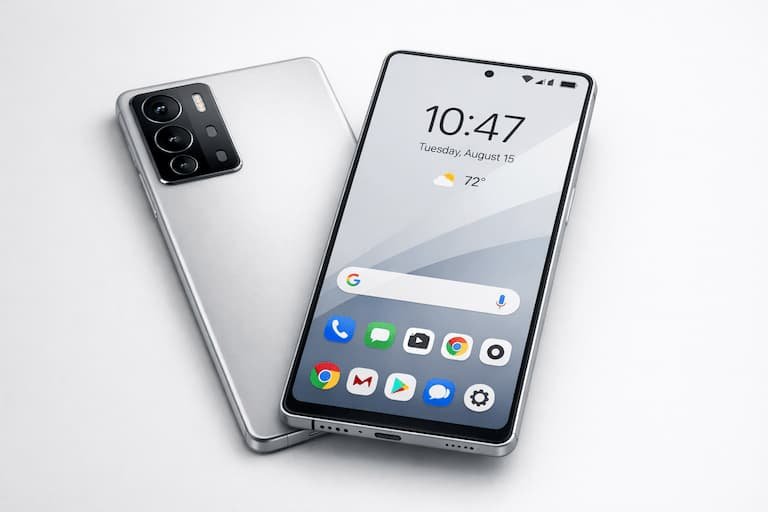
Smartphones have reached a point where most devices feel similar. Year after year, brands improve performance and cameras, but true innovation feels slower. That is why imagining a dream phone for 2026 helps highlight what users actually want, not just what companies sell.
In this article, we explore a concept phone that combines three strengths. The phone boasts a Vivo-style advanced camera system, a lightweight design inspired by the iPhone Air, and the clean, reliable software experience found on Pixel devices. This combination focuses on usability, balance, and long-term value rather than hype.
The goal is not to promote any brand. Instead, this is an educational look at what the ideal smartphone could look like if the best ideas came together.
What’s the Ideal Phone for 2026?
The dream phone for 2026 is not about one specific company. It is about combining proven strengths from different smartphone ecosystems into a single device.
At its core, this phone focuses on three pillars. First, a camera system that prioritizes real photography, not artificial-looking images. Second, a slim and lightweight design that feels premium but practical.
Thirdly, the software maintains its speed, cleanliness, and usefulness over an extended period.
Rather than chasing extreme specifications, this concept values balance. It is designed for students, creators, and everyday users who want reliability. In short, it represents what a mature smartphone should be in 2026.
How the Ideal Phone for 2026 Works
The idea behind this dream phone for 2026 is simple. Each part of the phone is optimized for what it does best. The camera hardware focuses on sensor quality, lens clarity, and natural color science. Instead of heavy filters, the phone relies on intelligent image processing. This technique produces photos that look realistic in different lighting conditions. The design uses lightweight materials and an efficient internal layout.
This keeps the phone thin without sacrificing durability or battery life. As a result, the phone feels comfortable to use all day.
On the software side, the system is clean and uncluttered. Only essential features are included, reducing background processes. This ensures smooth performance even after years of use.
Vivo-Style Camera System: The Photography Core
The camera is the heart of this dream phone for 2026. Vivo-style camera systems are known for focusing on hardware and optical quality.
A large primary sensor allows more light to enter. This improves low-light photography without excessive noise. Portrait shots look natural because depth information is handled carefully. The phone also includes a reliable ultra-wide lens. This is useful for landscapes, architecture, and group photos. Image consistency across lenses is more important than high megapixel numbers.
Video recording focuses on stability and color accuracy. Instead of extreme sharpening, videos look natural and balanced. This feature makes the phone suitable for casual content creation and learning purposes.
iPhone Air-Inspired Design: Thin, Light, and Practical
Design plays a major role in daily smartphone use. A phone can be powerful, but if it feels heavy, it becomes tiring. The dream phone for 2026 follows an iPhone Air-inspired approach.
It is thin, lightweight, and easy to hold with one hand. The edges are smooth, reducing pressure during long usage.
Materials like aluminum alloy and reinforced glass are used. These materials balance durability and weight.
The phone feels premium without being fragile. The button placement is simple and consistent. There are no unnecessary design elements. This minimalist approach improves usability and long-term comfort.
Pixel-Style Software: Clean, Smart, and Reliable
Software defines how a phone feels over time. Even powerful hardware can feel slow with poorly optimized software. Pixel-style software focuses on simplicity. The interface is clean, with no duplicate apps or forced features. Animations are smooth and purposeful. Updates arrive regularly and improve stability. Security patches protect users without affecting performance. This is especially important for students and beginners.
Smart features are useful, not overwhelming. For example, intelligent notifications and battery management work quietly. The result is a phone that feels fast even after years of use.
Key Benefits of This Ideal Phone for 2026
One major benefit is balance. Each feature supports real-world usage rather than marketing trends.
The camera delivers reliable results in daily life. Users do not need professional knowledge to take good photos. This builds confidence and creativity.
The lightweight design reduces hand fatigue. Long reading sessions, video calls, or browsing feel comfortable. This improves overall user satisfaction. Clean software ensures long-term usability. The phone remains smooth, secure, and predictable. This reduces the need for frequent upgrades.
Limitations and Challenges
Creating a dream phone for 2026 is not without challenges. Combining ideas from different ecosystems is technically complex. Camera hardware increases manufacturing costs. Balancing affordability and quality is difficult. Such expenses may limit accessibility for some users.
Thin designs can affect battery size. Engineers must find efficient ways to manage power. Otherwise, battery life may suffer. Software support also requires long-term commitment. Regular updates demand resources and planning. Not all manufacturers are willing to maintain this level of support.
Real-World Applications and Use Cases
This dream phone for 2026 fits many everyday scenarios. Students benefit from long battery life and reliable performance. Content creators enjoy natural-looking photos and stable video. Editing and sharing content becomes easier and faster. The phone supports creativity without complex tools.
General users appreciate the clean interface. There are fewer distractions and unnecessary apps. This improves focus and productivity. The device also works well for learning and communication. Video calls, reading, and note-taking feel smooth. Such functionality makes it a versatile everyday tool.
Future Scope and Trends Beyond 2026
Looking ahead, smartphones will focus more on refinement. Instead of dramatic changes, small improvements will matter more. Camera systems will prioritize realism over heavy processing. Users are already asking for more natural photos. This trend is likely to grow.
Designs will continue to become lighter and more ergonomic. Comfort will matter as screen sizes remain large. Battery efficiency will improve through software optimization.
Software will become more intelligent but less intrusive. AI features will work in the background. The focus will remain on privacy, speed, and usability.
Related Article:
